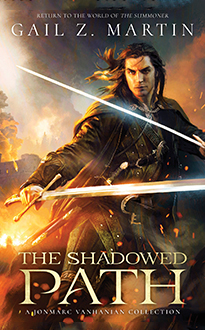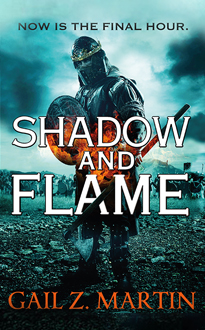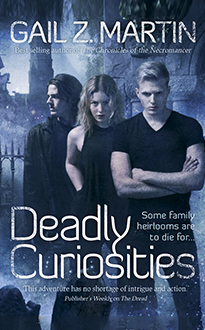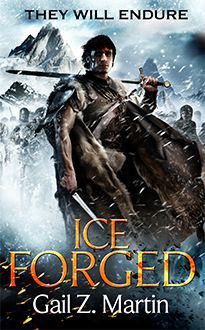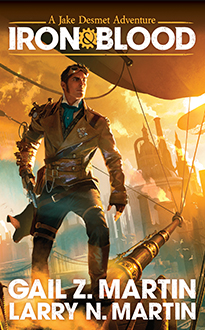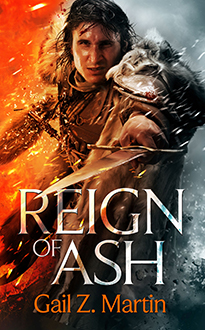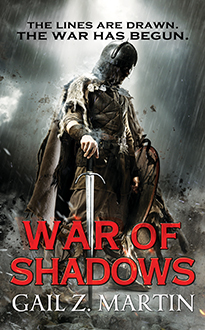
We just wrapped up our annual Hawthorn Moon blog tour, check out the links below if you missed it.
Days of the Dead Blog Tour and New Releases
It’s a spooktacular time of the year, with All Hallow’s Even, Samhain, Halloween, and Days of the Dead, just perfect for stories packed with ghosts, magic, cursed objects, haunted houses, and things that go bump in the night!
New and Coming soon!
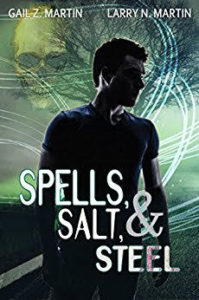
Creature Feature (Spells, Salt, & Steel Book 7) — Mark Wojcik finds himself protecting cryptids from a kidnapper who traffics them to exotic hunters or collectors. The Huntsman has his eye on a rare prize—a huge, winged NuWi that only rises every fifty years, with plans to enslave the NuWi and use it to fry his enemies to a crispy crunch. Mark is determined to make the Huntsman’s plans go up in flames.
Sons of Darkness is now on audiobook! First in the Night Vigil series—Ex-priest Travis Dominick teams up with former FBI agent Brent Lawson to deal with demonic threats in Pittsburgh.
Inheritance (Deadly Curiosities book 4) is now on audiobook! Caribbean ghosts terrorize Charleston and start racking up a body count. Then Beckford Pendlewood, the heir to a powerful family of dark warlocks, shows up raving about a bound demon locked in a lost box and begs sanctuary. Can Cassidy and her friends find the demon box, stop the killer ghosts, and break the Pendlewood curse before Beckford’s murderous cousins and the vengeful demon destroy them all?
Coming soon!
Fugitive’s Vow (Assassins of Landria Book 3)—King’s Shadows Joel “Ridge” Breckenridge and Garrett “Rett” Kennard don’t believe the claims that the Witch Lord is dead. Then tragedy strikes, and Ridge and Rett are framed for the murders. It’s going to take luck, cunning, witchy friends and more than a few explosions to evade the warrants for their arrest and stop the Witch Lord’s latest plot.
Chicagoland (Joe Mack Adventures Book 3)—Supernatural Secret Service agent Jack West gets a call for help from Eliot Ness in Chicago, who fears Al Capone’s fascination with the occult has turned monsters loose in the city. Joe, Jack and their irrepressible partner in hijinxs Sarah Grace McAllen Harringworth head for the Windy City to tackle Scarface’s dark magic before it’s too late.
New—Signed/Personalized Books and Hand-made Pottery!
https://sol-darkwind.square.site/
We printed a lot of books to have at conventions this year, and all the events were cancelled. Now you can still get a signed, personalized book from our new Square store, mailed to your door! All the Gail Z. Martin, Larry N. Martin, Gail & Larry, and Morgan Brice books, plus a smattering of recent anthologies are available while supplies last. We’ve also added the hand-thrown, hand-decorated mugs and shot glasses that Larry creates—perfect holiday gifts. Check it out!
Days of the Dead Tour
Our Days of the Dead blog tour rolled out with new guest posts on these blogs:
The Qwillery: Badass Women of Landria
Pat’s Fantasy Hotlist: Paths to Publication in 2020
SciFi Chick: Raising the Stakes
RisingShadow: The Plot Thickens https://www.risingshadow.net/articles/guest-posts/1042-guest-post-fugitive-s-vow-the-plot-thickens-by-gail-z-martin
Beauty In Ruins: Ghosts Make the Best Spies
I Smell Sheep: Indie Publishing in a Weird World
Fantasy Book Critic: Keeping Epic Fantasy Fresh
Lots Going on in ConTinual!
Have you discovered ConTinual, the online, ongoing multi-genre convention that never ends? We have some awesome multi-author panels on real ghost hunters, horror, writing, paranormal romance, Supernatural, cryptids, vampires, fantasy, sci-fi, fandom, Doctor Who, Lovecraft, and more! We’ve got a fantastic Holiday schedule coming with panels and movie nights and all kinds of surprises, so make sure you check back often!
Gail will be a guest at Virtual Philcon, and you can find some of her other virtual con panels from 2020 on the YouTube pages for Dragon Con, ConCarolinas, Balticon, and the Dragon Con Urban Fantasy Track!
If you haven’t already joined our Shadow Alliance reader group on Facebook, now is a good time to dive in! The Shadows are a lively group where we shared tidbits from works-in-progress, photos of book locations and inspirations, special giveaways, and first-look cover reveals, as well as where we go first for beta and ARC readers! Get in on the fun!
And if you’re a Supernatural fan, come join Gail’s very active Supernatural group on Facebook with plenty of photos, watch parties and fun!
Comments Off on Days of the Dead Blog Tour and New Releases
Filed under Uncategorized
Putting the ‘Roar’ in Roaring Twenties
By Gail Z. Martin
The Roaring Twenties had it all—Prohibition speakeasies, Art Deco luxury, existential angst from the Great War and the Flu Pandemic, and a fin de siecle jadedness that dared the universe to show them something they hadn’t seen before.
Joe Magarac called on Krukis, the ancient Slavic god of blacksmiths, as he lay dying on a riverbank after the Homestead Riots. Krukis gave him immortality and special abilities, and in exchange Joe swore his soul to become the campions of justice for the oppressed.
Fast forward decades, and Joe has reinvented himself as Joe Mack, hunting monsters in the late 1920s and thwarting supernatural schemes. He doesn’t have to go up against these threats alone. Jack West, a secret agent who specializes in paranormal problems, and Sarah McAllen Harringworth, an heiress with a love of danger, help him take on everything from Leninist werewolves to Lovecraftian horrors from the deep.
The series is a spin-off from John Hartness’s Quincey Harker, Demon Hunter books, set in the same universe, so you can expect some snark along with all the explosions.
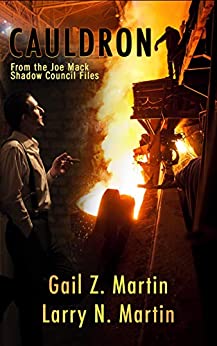
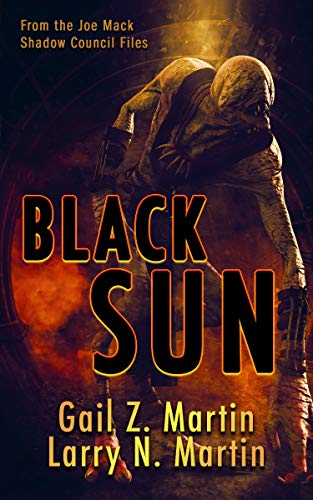
Cauldron and Black Sun are currently available on Kindle and Kindle Unlimited. Watch for a third and fourth novella, coming later this year!
About the Authors
Gail Z. Martin writes epic fantasy, urban fantasy and steampunk for Solaris Books, Orbit Books, SOL Publishing, Darkwind Press, and Falstaff Books. Recent books include Witch of the Woods, Sellsword’s Oath, Inheritance, Monster Mash and Black Sun. With Larry N. Martin, she is the co-author of the Spells Salt & Steel, Wasteland Marshals, Joe Mack and Jake Desmet series. As Morgan Brice, she writes urban fantasy MM paranormal romance including the Witchbane, Badlands, Treasure Trail, Kings of the Mountain and the upcoming Fox Hollow series. Nearly all the books are either already available on audiobook via Audible or are coming soon.
Larry N. Martin is the author of the new sci-fi adventure novel Salvage Rat and the portal fantasy The Splintered Crown. He is the co-author (with Gail Z. Martin) of the Spells, Salt, and Steel/New Templars series; the Steampunk series Iron & Blood; and a collection of short stories and novellas: The Storm & Fury Adventures set in the Iron & Blood universe. He is also the co-author of the Wasteland Marshals series and the Joe Mack Adventures/Shadow Council Archives series.
Find them at Http://www.AscendantKingdoms.com, on Twitter @GailZMartin and @LarryNMartin, on Facebook.com/WinterKingdoms, at DisquietingVisions.com blog and on Goodreads https://www.goodreads.com/GailZMartin. Never miss out on the news and new releases—newsletter signup link http://eepurl.com/dd5XLj Follow Gail’s Amazon author page here: https://www.amazon.com/Gail-Z-Martin/e/B002BM8XSQ On Bookbub: https://www.bookbub.com/profile/gail-z-martin On Instagram: https://www.instagram.com/morganbriceauthor/ Pinterest: http://www.pinterest.com/gzmartin
And get a free complete short story, Catspaw, here: https://claims.prolificworks.com/free/UAjd6
Join our Facebook group, the Shadow Alliance https://www.facebook.com/groups/435812789942761/
Gail’s Supernatural Group is Supernatural TFW-NC: https://www.facebook.com/groups/169524930423807/
Check out ConTinual here: http://www.facebook.com/groups/ConTinual
Comments Off on Putting the ‘Roar’ in Roaring Twenties
Filed under Uncategorized
Past, Present, or Future? – Jacey Bedford muses on the pros and cons of writing in different time periods.
by Jacey Bedford
I write science fiction and fantasy, but within those parameters I’ve always also written history. Sometimes it’s an identifiable period of our own history, sometimes it’s a history of the future.
What do I mean by history? The dictionary defines it as: the study of past events, particularly in human affairs. Whether it’s past history or future past history depends on your perspective. My Psi-Tech science fiction (space opera) trilogy is set five hundred years in the future, and in setting the scene and building the world/worlds/galaxy. I’ve had to work out the history of Earth to that point, and the history of humankind’s spacefaring. It’s not directly part of the story, but the meteorites that took out most of the USA and China in the twenty second century and almost knocked the rest of Earth’s population back to the stone age, obviously had a huge impact (no pun intended) on how Africa and Europe became the largest power centres. Mankind forged out into the stars, developing colonies in a period which became known as The Great Colony Grab. That’s barely mentioned in the story, but I need to know in order to make everything else follow logically.
My Rowankind Trilogy is set in (mostly) Britain in a real historical period, so though I can add things like magic, shape-changers, Fae and witchcraft, I have to weave them around happenings that are immutable. Napoleon Bonaparte tried to conquer Europe (and almost succeeded). King George III was intermittently bonkers. When he wasn’t bonkers he used to go to Weymouth to be ‘dipped’ in the sea. His bathing machine was painted red, white and blue and had a ten foot flag pole on top, just in case anyone couldn’t guess whose bathing machine it was. Yes, I managed to use that lovely bit of information. Also the fact that William Pitt the Younger resigned as George III’s First Minister in 1802. leaving Henry Addington to negotiate a brief peace with France. All these are included into the story of Ross (Rossalinde) Tremayne, a cross-dressing privateer captain and witch, who, when the trilogy begins, is cruising the seas for prizes of fat French merchant vessels accompanied by a crew of barely reformed pirates and the ghost of her late husband. (I wrote a blog post on what’s truth and what’s fiction in the trilogy here: https://jaceybedford.wordpress.com/2019/04/09/the-truth-in-historical-fantasy/)
Both writing in the past and writing in the future deliver their own particular restrictions and opportunities, but I rarely write in the present. Present and near-future stories offer a particular problem. However much you try to reflect the time period we refer to as now, by the time a book goes to press, it will be out of date both politically and scientifically. Science is outstripping our ability to predict it. (CRISPR, anybody?) And as for politics, all bets are off. Who could have predicted two mop-haired muppets in power on opposite sides of the Atlantic? As I write, we wait to find out who the next UK prime minister will be, and (barring a miracle) it certainly looks as if that will happen. We wait with bated breath to see if our next P.M. will lead the UK straight out of Europe and off a fiscal cliff. And this morning the news arrived via the BBC that the US had called off a military strike against three sites in Iran with 10 minutes to spare. Yikes!) If I’d put that in a book five years ago, any editor would have rejected it for being unrealistic.
So I think I’ll stick to history, set in either the past or the future. In the end stories are about people regardless of the time period in which they are set.
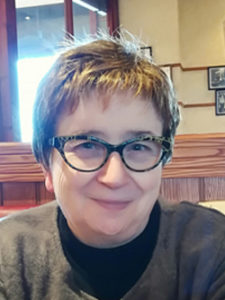 Jacey Bedford is a British writer of both science fiction and fantasy. Her six (so far) novels are published by DAW in the USA. She has two trilogies out and she’s currently working on a standalone historical fantasy set in an analogue of the Baltic States in the seventeenth century.
Her short stories have been published on both sides of the Atlantic in anthologies and magazines, and some have been translated into an odd assortment of languages including Estonian, Galician and Polish. Most recently she’s been a core author in three anthologies by the acclaimed Zombies Need Brains Press.
Jacey’s books:
The Psi-Tech Trilogy: Empire of Dust / Crossways / Nimbus
The Rowankind Trilogy: Winterwood / Silverwolf / Rowankind
You can keep up with Jacey in several different ways:
Web: http://www.jaceybedford.co.uk, which includes a link to her mailing list
Blog: jaceybedford.wordpress.com
Facebook: https://www.facebook.com/jacey.bedford.writer
Twitter: @jaceybedford
Coming Attractions
By Gail Z. Martin
Here’s a mid-year update, in case you’re wondering when the next book in a favorite series will be hitting the shelves. I can tell you that we’re planning on getting these books out as quickly as possible, but I don’t have hard launch dates, so please make sure you join our Shadow Alliance street team and/or our Chronicles newsletter so that you never miss a new release!
Night Moves—a brand new Mark Wojcik Spells Salt and Steel novella from Falstaff Books, kicking off Season 2 with a bang and a big dose of salted holy water!
Cauldron—the first in the Joe Mack series from Falstaff Books. The Joe Mack series is set in the Roaring Twenties, with former steel worker Joe ‘Mack’ Magarac becoming the immortal servant of Krukis, the Slavic god of blacksmiths, with a charge to walk the earth stopping monsters and battling the powers of darkness. The Joe Mack books are a tie-in to John Hartness’s Shadow Council (Quincy Harker) series.
Wasteland Marshals —the first in a near-future post-apocalyptic series (also from Falstaff Books) about the last two US Marshals trying to hold back chaos and supernatural threats after a series of catastrophes end life as we know it.
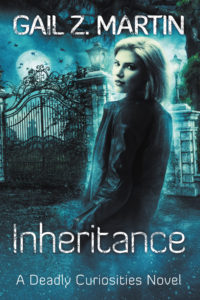
Inheritance—this will be the fourth Deadly Curiosities novel, and will focus on old secrets and mysteries coming to light linked to the ghost of Cassidy’s Revolutionary War-era privateer ancestor, Dante.
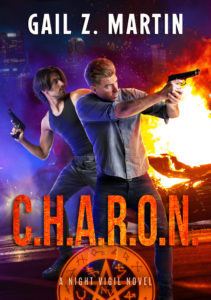
C.H.A.R.O.N—the second Night Vigil novel picks up shortly after Sons of Darkness, as Brent and Travis try to stay one step ahead of a shady secret government organization that wants to conscript Brent and use the monsters they hunt for their own ends.
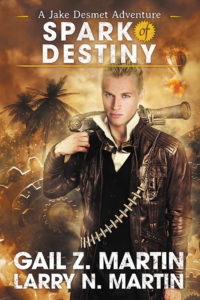
Spark of Destiny—the long-overdue sequel to Iron & Blood, a brand new Jake Desmet Adventure!
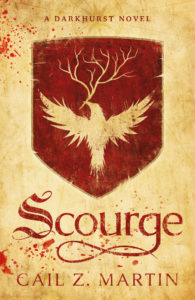
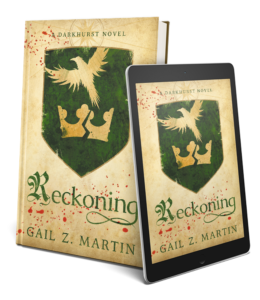
Reckoning—the final book in the Darkhurst series, as Corran and Rigan Valmonde and their allies face their biggest enemy in a battle to define the future of the kingdom, and end the scourge of monsters forever.
Bonus goodies!
Read a copy of my Deadly Curiosities urban fantasy short story Catspaw for free: https://claims.prolificworks.com/free/UAjd6 and check out my epic fantasy Ascendant Kingdoms short story Reconciling Memory here for free: https://claims.prolificworks.com/free/JQorl
Giveaway! Enter for a chance to win a copy of The Splintered Crown and Convicts and Exiles http://www.rafflecopter.com/rafl/display/9751c04221/?
Join our Shadow Alliance street team so you never miss a new release! Get all the scoop first + giveaways + fun stuff! Also where I get my beta readers and Launch Team! https://www.facebook.com/groups/435812789942761Find me at www.GailZMartin.com , on Twitter @GailZMartin on www.Facebook.com/WinterKingdoms at www.DisquietingVisions.com blog, on www.Pinterest.com/Gzmartin on Goodreads https://www.goodreads.com/GailZMartin and BookBub https://www.bookbub.com/profile/gail-z-martin I’m also the organizer of the #HoldOnToTheLight campaign www.HoldOnToTheLight.com Never miss out on the news with my newsletter http://eepurl.com/dd5XLj
Filed under Books
Always Keep Fighting
By Laurena Aker
(The Always Keep Fighting—AKF—campaign inspired the #HoldOnToTheLight campaign. Here’s the story behind AKF.)
In May of 2015, Jared Padalecki, one of the lead actors on the long-running television show Supernatural, tweeted the following message to his fans:
“I am in desperate and urgent need of my family. I am so sorry to tell you this but I must head home. I need all of the love I can get right now. Please please give me a few seconds of your time and write me.”
This public plea for help understandably alarmed Jared’s followers worldwide. Two years later in his courageous chapter in the book Family Don’t End With Blood, Jared admitted that he had hit rock bottom during a convention tour in Europe, and alone and exhausted, contemplated suicide just hours before writing that message. His chapter compassionately explains that once before when he had been crushed by feelings that “something” was wrong, he was diagnosed with clinical depression but despite naming the beast, he still didn’t fully comprehend the power his internal monster had over him. Motivated by his responsibilities and passionate work ethic, he pushed down or rationalized the desperation his mind, body and spirit were trying to communicate to him until it finally, unexpectedly overpowered him.
Jared’s confessions about his struggle with depression were not a surprise to his fans, affectionately referred to as the “Supernatural Family”. Early in 2015, Jared launched his first “Always Keep Fighting” fundraising campaign in response to losing a dear friend to suicide on New Year’s Eve. During the campaign, Jared revealed his personal fight with anxiety and despair. He encouraged people to reject the shame associated with mental illness and to seek help to “always keep fighting” against the ravages of self-doubt and depression. Jared’s messages hit home with the fandom. The #AKF campaign sold a record number of tee shirts and raised thousands of dollars for mental illness charities. Fans even bought #AKF merchandise for people who couldn’t afford to buy items for themselves. The resonance of the campaign stunned both the actor and the fans. Jared, a fan idol and the person who brought to life a character of strength and hope on his television show, admitted a personal vulnerability to his fans and was not only fighting with them but for them. Emboldened by his example and trusting the safety of the fandom space, people who had previously hidden or ignored their own confused or unidentified pain came forward on social media and websites, to their friends and to their families. Pleas for help were immediately met with an outpouring of love and practical, real-life assistance including support groups and personal outreach intervention. #AKF became a shorthand for defying being alone or ever being defeated, and providing the strength of compassionate understanding and comradery. It was emblazoned in tattoos, art, wristbands and tea lights. It was even immortalized on the side of a building in a Supernatural episode.
Seven more #AKF campaigns followed the first, each with a different message of self-awareness and mental health. The gravity of the underlying sentiments was always emphasized but the campaigns evoked fun, Supernatural themes to lighten the delivery. Over the next 18 months, subsequent campaigns added “Love Yourself First”, “I Am Enough” and “Family Always Has Your Back” to the mottos taken to heart by the Supernatural Family. In February, 2016, a parallel but related “You Are Not Alone” campaign was launched by Supernatural co-stars Jensen Ackles and Misha Collins to take their concern for the wellbeing of their fans one step further. Partnering with Misha’s charity Random Acts and two other charitable groups, the pair established the “SPNFamily Crisis Support Network”, an online army of trained volunteers who could intervene in moments of crisis and help fans cope with depression, self-injury or addiction.
“Always Keep Fighting” had started out as a fundraising t-shirt sale but it turned into an attitude engrained in the Supernatural Family’s identity. Obviously, the movement touched a massive, latent need for support of those affected by mental illnesses. The Supernatural fandom was an ideal place to launch this global dialog and microcosm of community empathy. The fandom already saw itself as a “family” based on the prevalent family themes within the show. Episodic adages such as “Have your back” and “Family don’t end with blood” reinforced this notion of family. The show’s multi-decade run also created stability, and a perceived importance and responsibility within its fandom relationships. Children grew into adults and adults passed through multiple life stages accompanied by the familiar characters of the show and the friendships and frameworks within the fandom. The actors’ and fans’ year-around interactions with each other at conventions contributed to the real life tangibility of these relationships. The show’s core lessons of hope, resilience and prevailing against insurmountable odds had also permeated the fandom’s psyche – all ideals that fed the #AKF mindset.
From people’s own admissions, the Always Keep Fighting movement saved countless lives. Websites and social media accounts such as Carry-On Supernatural and Supernatural Survivors; and charities such as Random Acts, To Write Love on Her Arms, and IMAlive continue to spread Jared’s, Jensen’s and Misha’s messages of hope and survival. Hopefully, #AKF’s beacon of light helps shatter the stigma of secrecy and shame surrounding mental illness.
Laurena Aker is an independent author and editor. Since 2014 she has been the Managing Editor for The Winchester Family Business, the largest review website for the TV show Supernatural. Her first book, Fan Phenomena: The Twilight Saga (2016) is a fun, informative combination of behind-the-scenes interviews and expert analysis of Twilight’s decade-long impact on literature, music, the entertainment industry and opportunities for women. Her Supernatural publications include a chapter in the best-selling book Family Don’t End With Blood, over 200 feature articles, weekly reviews for TV Fanatic, and the paper “Sparking and Sustaining Superfandoms: Similarities in The Twilight Saga and Supernatural Success Stories”. Prior to embarking on her writing career, Laurena was a Principal with Accenture, a leading global management and technology consulting firm.
The Winchester Family Business’ #AKF Related Articles: https://www.thewinchesterfamilybusiness.com/wfb-tags-list/always-keep-fighting
Supernaturalwiki history of AKF: http://www.supernaturalwiki.com/Always_Keep_Fighting
Supernaturalwiki history of YANA: http://www.supernaturalwiki.com/SPNFamily_Crisis_Support_Network
Family Don’t End with Blood: https://fangasmthebook.com/
#HoldOnToTheLight is a blog campaign encompassing blog posts by fantasy and science fiction authors around the world in an effort to raise awareness around treatment for depression, suicide prevention, domestic violence intervention, PTSD initiatives, bullying prevention and other mental health-related issues. We believe fandom should be supportive, welcoming and inclusive, in the long tradition of fandom taking care of its own. We encourage readers and fans to seek the help they or their loved ones need without shame or embarrassment.
Please consider donating to or volunteering for organizations dedicated to treatment and prevention such as: American Foundation for Suicide Prevention, Hope for the Warriors (PTSD), National Alliance on Mental Illness (NAMI), Canadian Mental Health Association, MIND (UK), SANE (UK), BeyondBlue (Australia), To Write Love On Her Arms (TWLOHA) and the National Suicide Prevention Hotline.
To find out more about #HoldOnToTheLight, find a list of participating authors and blog posts, or reach a media contact, go to http://www.HoldOnToTheLight.com and join us on Facebook https://www.facebook.com/WeHoldOnToTheLight
Filed under #HoldOnToTheLight, Guest Blogger
Fighting History
By Faith Hunter
I was asked years ago to participate in Hold On To the Light, a forum for writers who deal with emotional or mental issues and I never could. I’d start to write and my fingers would freeze on the keyboard and I’d develop an instant panic attack and I’d stop. I always said, “Next time I’ll do it. Next time I will be able to write the words.” This has gone on for over two years.
I’m a writer, mind you. Fiction, even emotionally charged fiction, is easy. Not this. And it’s intensely personal, so … Hard. Maybe even brutal. But if I’m going to open up, it has to be personal, right? And personal is supposed to be difficult?
Hi. I’m Faith and I have panic attacks.
The hard part wasn’t just the writing of the words. Until recently I wasn’t able to even talk about this issue in a public setting, and when I finally did, it wasn’t freeing, as I had hoped it would be. Talking about all this “weird me stuff” resulted in a rare deep depression that took weeks to lift. More recently, as I’ve mulled over my emotional and physical reactions to attempting to write about anxiety, I have begun to spot the causes and the young lifestyle and the personal history that contributed to my panic attacks. Not that any one thing made me the way I am. Not at all. In fact I think I’d have panic issues no matter how or where or when I grew up. My paternal grandmother had panic attacks, misdiagnosed in the sixties as heart problems. For forty years she took meds she likely didn’t need. She lived to 99 and never had heart problems. It was all anxiety. Dad had depression and other emotional and mental issues that he refused to treat for his entire life, because real men didn’t have emotional problems. They just pulled up their bootstraps and soldiered on, making themselves and everyone around them miserable.
And that is where my “can’t talk about it” mentality came from. Dad. For all my life I pasted a smile on my face and pushed through, even when the anxiety morphed up to suicidal ideation. Even when rare bouts of mild to moderate depression joined the anxiety. I knew they would pass. I knew that. So I didn’t deal with it. I just waited it out. Making everyone around me miserable.
Just. Like. My. Dad.
All this started at onset of adolescence, age twelve. I was the weird kid who hid from the world with my nose in books—science fiction, fantasy, and mysteries. I was bullied. Abused. My family life was falling apart in a nasty, messy divorce that still has intense repercussions 50 years later. My parents sent me to a psychiatrist who prescribed meds. They did nothing to help me, so by my teens and early twenties I self-medicated. But I also I fell in love with writing and discovered that diving into a make-believe world was the BEST way to survive the day-to-day episodes. To fight off the suicidal ideation that sometimes accompanied the panic attacks, I stayed busy. Between writing and the day job (make that night-shift job at a hospital) I was pulling 70 – 90 hour weeks to keep sane.
I didn’t sleep well. I didn’t eat well. In my thirties and forties I discovered Kava and St. John’s Wort, which helped mitigate the rare bouts of depression but did nothing for the anxiety—the heart racing, tear inducing, hide-in-my-writing because I might listen to the suicidal ideation voices in my head. I wrote. And wrote. I worked at the lab. I had success and failures. And I pushed on.
Just. Like. Dad.
Until I developed health issues that forced me to rest.
In my forties I developed weird inflammation in my hands and shoulder muscles. My joints ached. My hands stopped working. I couldn’t type. I had to wear braces when I wasn’t at the lab. I had to hire a typist to transpose my hand written novels. For years it got worse. I was falling apart and I was still overdoing.
The Kava and St. John’s Wort helped. Some. I prayed. I survived. I prayed some more. I went through menopause early and the suicidal thoughts and bouts of depression that had begun at adolescence decreased markedly. Estrogen was my enemy, it seems. My husband held my hand through all this. Decades of physical pain and fighting off suicidal thoughts. Decades of making do.
Just. Like. Dad.
In my fifties I finally told my medical doctor about my symptoms.
I stopped being like my father.
I asked for help.
Now that was freeing! Because I was worried about side effects of drugs, my doc adjusted my herbs and put me on a strict schedule of meditation / prayer, exercise, therapeutic massage, and rest. He insisted I eat right. Go to church. REST. I began to get better. The inflammation decreased. But I wasn’t well. I was still suffering. Living in a make-believe world was my only true respite. I wrote like a madwoman.
Another year went by and my doctor convinced me to try an anti-anxiety med. And—
It was amazing. The anxiety attacks just … melted away. Another doctor told me I might be allergic to corn and I got off corn products. The inflammation began to go away. I adjusted my eating habits some more and changed supplements. I found a passion that got me out of my desk chair and did not hurt my joints—whitewater paddling.
There was no magic bullet. It took changes in every aspect of my life. My husband still held my hand through all this. I am blessed to have him. To have friends who cut me some slack when I had to go off and be alone, or when I was snappy or quick tempered, or when I couldn’t deal with life stuff.
I got better. All because I stopped being like my father.
I asked for help.
Am I completely free of anxiety attacks? No. And since my cardiologist wants me off my current med, because it’s addictive, I’ll have to make new changes to my lifestyle, with the help of my general practitioner. But I am happier now. I seldom have suicidal ideation. I am at peace as much as I am able.
I stopped being like my father.
I asked for help. That is the way I have held onto the light. I asked for help. Asking for help isn’t weakness. Or foolishness. It’s brave. And it’s freeing.
Faith Hunter
#HoldOnToTheLight is a blog campaign encompassing blog posts by fantasy and science fiction authors around the world in an effort to raise awareness around treatment for depression, suicide prevention, domestic violence intervention, PTSD initiatives, bullying prevention and other mental health-related issues. We believe fandom should be supportive, welcoming and inclusive, in the long tradition of fandom taking care of its own. We encourage readers and fans to seek the help they or their loved ones need without shame or embarrassment.
Please consider donating to or volunteering for organizations dedicated to treatment and prevention such as: American Foundation for Suicide Prevention, Hope for the Warriors (PTSD), National Alliance on Mental Illness (NAMI), Canadian Mental Health Association, MIND (UK), SANE (UK), BeyondBlue (Australia), To Write Love On Her Arms (TWLOHA) and the National Suicide Prevention Hotline.
To find out more about #HoldOnToTheLight, find a list of participating authors and blog posts, or reach a media contact, go to http://www.HoldOnToTheLight.com and join us on Facebook https://www.facebook.com/WeHoldOnToTheLight
Filed under #HoldOnToTheLight, Guest Blogger
Them Bones
A #HoldOntoTheLight Blog Post by Jeanne Adams
After my mother died, I discovered she had been abused by her dad. That revelation made sense of so many inexplicable things in my life. The knowledge was horrible and sad and illuminating.
I never met my maternal grandfather (or any of my grandparents) because I was a “late life” baby. My parents were old as Methuselah when I was born. To give you a reference point, my grandparents were born in the 1880s. Yeah, that old.
Once I knew about the abuse, it all fit. Don’t believe anyone who tells you that abuse and depression don’t have a genetic component. They do. Add in parenting and you’ve got the bones on which we build our lives.
Mama was a tough taskmaster, controlling, hard to please, hypercritical and stern. Not surprising, given how she’d been raised––a passive-aggressive, abused mom paired with an abusive dad who’d made no secret that he wanted boys, and got girls. On the other hand, my dad was a teddy bear who’d been groomed for the ministry or medicine – neither of which he took to.
Mama had enough spine for four people and dad was a few vertebrae shy of a full backbone. And them bones…well, they played a huge part in how I saw the world.
One thing I realized about the same time as I figured out the abuse thing, was that my parents were perfect for one another. Mama couldn’t have married an alpha-male type. She had obvious reason to deeply distrust a domineering “Thou Shalt Not” kind of man, and she had so much determination that a marriage with another dominant would have been unmitigated hell.
Daddy knew when to stick up for himself, but he certainly didn’t put himself forward or excel at sports. Oddly enough, he did well in his career, advancing to significant success as a Director of Libraries. But, emotionally he didn’t want to be in charge. Not really. He liked that mother was willing to tell him––couched in modest language––what to do. He liked that her strong opinions absolved him of emotional responsibility.
I wouldn’t want to marry either of them. Yikes! However, together, they had enough strength in their backbones to raise two strong-willed boys, one hellion redhead, and me. We all turned into reasonably responsible adults. A miracle!
They balanced one another and found their roles and niches. For all the flaws I perceived, it worked. The balance was precarious sometimes. When hard times hit or depression loomed, it sometimes failed. Spectacularly. But they muddled through.
My mama didn’t live to see the 21st century. She would have been amazed and appalled by iPhones and pussy hats. I was in my twenties when she died of cancer, but I realized she was incredibly brave. For an abuse survivor of that era to leave home, go to college, get married and have kids was pretty damn courageous. Her sisters didn’t manage it. She fought every day to strap down her temper and not pass on the abuse she’d suffered. Most of the time, she succeeded. Sometimes, she didn’t. As a parent of two strong-willed sons, I understand how challenging that must have been.
My takeaway, thanks to therapy, is that mama deliberately chose to flip off her father and marry a good, sweet, loving man. She chose, deliberately and with great courage, to raise her children better than she’d been raised. From the grave, her stern admonition of “do better than I did, young lady” still echoes in my ears. I listen. I try.
My mother’s life was a parable of choice shaping the person––spitting in the eye of genetics, socio-economics and “your raising”.as we Southerners put it. The bones, the foundations my parents provided, had cracks and patches but they held. They were unwavering when it counted. I hope my children will say the same. My parents changed their upbringing. The choices were imperfect, but they broke the cycle.
You can too. They improved upon the last generation. I strive for that. They weren’t abusers. They encouraged rather than belittled. They did better. You can too. Choose to live. Choose to live better. Defy the odds. Be the bones of a new foundation for the future, even if your own foundations had to be torn down and rebuilt anew with tears and courage.
I know you can. I believe in you. Go. Praise. Encourage. Build. Live.
Do better.
#HoldOnToTheLight is a blog campaign encompassing blog posts by fantasy and science fiction authors around the world in an effort to raise awareness around treatment for depression, suicide prevention, domestic violence intervention, PTSD initiatives, bullying prevention and other mental health-related issues. We believe fandom should be supportive, welcoming and inclusive, in the long tradition of fandom taking care of its own. We encourage readers and fans to seek the help they or their loved ones need without shame or embarrassment.
Please consider donating to or volunteering for organizations dedicated to treatment and prevention such as: American Foundation for Suicide Prevention, Hope for the Warriors (PTSD), National Alliance on Mental Illness (NAMI), Canadian Mental Health Association, MIND (UK), SANE (UK), BeyondBlue (Australia), To Write Love On Her Arms (TWLOHA) and the National Suicide Prevention Hotline.
To find out more about #HoldOnToTheLight, find a list of participating authors and blog posts, or reach a media contact, go to http://www.HoldOnToTheLight.com and join us on Facebook https://www.facebook.com/WeHoldOnToTheLight
Filed under #HoldOnToTheLight, Guest Blogger
Welcome to the 2018 Days of the Dead Tour

 Halloween, Dia de los Muertos, Samhain, All Hallow’s Eve….when better to celebrate books about magic, necromancers, ghosts, and things that go bump in the night?
We’ve got plenty of new ‘treats’ in our Trick-or-Treat lineup this year: Vengeance, Tangled Web, The Dark Road, Salvage Rat, Assassin’s Honor, Sons of Darkness, and Close Encounters. Get a behind-the-scenes look at how the books came about and what the heck we were thinking with the guest blog posts and author Q&As.
 Sign up for a chance to win a Kindle prize pack with an ebook of Tangled Web, Salvage Rat, Assassin’s Honor, The Dark Road, and Sons of Darkness!
Check out upcoming posts from
RisingShadow—Heroes in Dark Places
Qwillery—Monsters and Mayhem in the Modern World
I Smell Sheep—Excerpt of Assassin’s Honor
We Geek Girls—Assassins and Salvage Rats (includes a Salvage Rat excerpt)
Beauty in Ruins—Assassins, Honor and Vengeance
SciFi Chick—Epic vs. Urban: Writing Both Sides of Fantasy (includes a Tangled Web excerpt)
Bookloons—Excerpts from Salvage Rat and Assassin’s Honor
Dave Brendon deBurgh—Excerpt and Review of Assassin’s Honor
Fantasy Book Critic—Dangerous Truths
SFF World—Outlaws and Rogues are Always in Style
Pat’s Fantasy Hotlist—Space, Spells and Spooks
 I Smell Sheep—Somewhere I Wouldn’t Want to Be After Dark
http://www.ismellsheep.com/2018/10/fantasy-author-gail-z-martin-somewhere.html
CatsLuvCoffeez—Review of Tangled Web
https://catsluvcoffeez.blogspot.com/2018/10/review-of-tangled-web.html
 CreativelyGreen—Writing and Family
https://creativelygreen.blogspot.com/2018/10/writing-and-family-with-gail-z-martin.html
TSStuff—Author Q&A on Tangled Web
https://www.tsstuff.net/2018/10/tangled-web-by-gail-z-martin.html
TheBookJunkieReads—-Author interview on Tangled Web
https://thebookjunkiereadspromos.blogspot.com/2018/10/spotlight-winterview-tangled-web-deadly.html
Mythical Books—Guest post by Larry N. Martin on Salvage Rat
http://mythicalbooks.blogspot.com/2018/10/the-adventure-begins-salvage-rat-by.html
Celtic Lady Reviews—Interview with Larry N. Martin on Salvage RAt
https://celticladysreviews.blogspot.com/2018/10/salvage-rat-by-larry-n-martin-book.html
Geri Reads—Outlaw Monster Hunter Survival Tips
https://gerireads.com/guest-post-outlaw-monster-hunter-survival-tips-by-gail-z-martin/
The Million Words Blog—Co-Writing Without Homicide
http://themillionwords.net/2018/10/21/gail-z-martins-scourge-and-vengeance-blog-tour/
 Anne Barwell—Juggling Worlds (Writing in Multiple Series)
https://annebarwell.wordpress.com/2018/10/22/scourge-and-vengeance-by-gail-z-martin/
Slippery Words—Epic Fantasy without Epic Length
https://www.slipperywords.com/2018/10/can-gail-martin-write-an-epic-fantasy-that-isnt-epic-length/
Momma Says to Read or Not to Read—Making History and Fantasy for Fun
https://mommasaystoreadornottoread.blogspot.com/2018/10/virtual-book-tour-tangled-web-by-gail-z.html
Margaret McGraw—Finding the Writer’s Spark
https://margaretsmcgraw.blogspot.com/2018/10/guest-interview-gail-z-martin-talks.html?spref=fb&fbclid=IwAR3AgYahs-elPxrqvLe7TVmZjCdf1AW8TToVkJzNkvmayfxAtn84E7o1eRM
 Enter my Rafflecopter giveaway to win a Kindle Prize Package with a free copy EACH of — Tangled Web, Assassin’s Honor, Salvage Rat, The Dark Road and Sons of Darkness! http://www.rafflecopter.com/rafl/display/9751c04215/?
Let me give a shout-out for #HoldOnToTheLight 2018, back for more with new authors and fantastic new posts! 150+ genre authors blogging about their personal struggles with depression, PTSD, anxiety, suicide and self-harm, candid posts by some of your favorite authors on how mental health issues have impacted their lives and books. Read the stories, share the stories, change a life. Find out more at www.HoldOnToTheLight.com
Don’t forget Morgan Brice
Morgan Brice is my pen name for writing urban fantasy, male/male paranormal romance, and I’ve got a great short story freebie with 22 authors here:
And you can enter this fun online scavenger hunt for a chance to win free books, a copy of my novel, Witchbane, and a Kindle Fire HD! https://www.nightowlreviews.com/v5/Blog/Articles/Hallowpalooza-2018
Filed under Books, Gail Z. Martin
Influences: The Interplay of Books, Games, Films, and Television
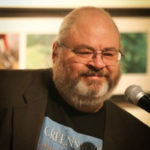 by Donald J. Bingle
If you follow Gail at all on social media, you know that, like me, she is a big fan of the television show Supernatural, created by Eric Kripke. My wife and I have followed Supernatural from the very first episode. Why? Because it has hot guys? No, because the first commercial I saw for it reminded me of Chill, a horror roleplaying game from the early 80s that featured a loose collective of individuals (S.A.V.E. agents/hunters) who knew the truth about supernatural creatures and hunted them down at great personal risk. In fact, we have good fun identifying the creatures the boys were up against from our knowledge of Creatures of the Unknown from the old Chill product. Woman in White? Check. Wendigo? Been there, done that. The quality of the research, the writing, the acting, and the importance of family, where family extends beyond kin, also resonated, of course, but the interplay added to the enjoyment of the series.
The company that put out Chill (Pacesetter) also put out a time travel roleplaying game called Timemaster, which we actually acquired the rights to when Pacesetter when bankrupt. So, for a while, I did a lot of reading about time travel and wrote a number of Timemaster adventures where you have to figure out what when wrong with history and go to the right place and time to do what was necessary to put the timeline back to the way it originally happened. Timemaster’s slogan under our ownership (we’ve since sold it) was “I’ve seen the future and I’m here to fix the past.” Not surprisingly, then, we were delighted when Eric Kripke created the recent (and recently cancelled) series Timeless about agents who go to the past to change it back to the way it originally occurred.
 Don’t get me wrong. I don’t think Eric stole anything from anybody or anything like that. Ideas are not protectible by the copyright laws—only the manner of expression. Beside, there have been all sorts of good guys fighting monsters dating all the way to mythology and various time corps have been protecting the timeline across dozens and dozens of books. That’s how influence, inspiration, and expansion and revision of tropes work in literature (and, yes, genre fiction is literature). Eric deserves all the credit for putting out some excellent, well-written shows (though I’ve looked at his bio and noted he played rpgs in his younger days and, given his age vs mine, like to think that maybe at some time in the past, maybe at a convention like GenCon, he played a round of Chill I played, too, or maybe a Timemaster adventure I wrote back in the day).
Every author has inspirations from their life and their exposure to books, games, films, and television. Some things they emulate; some things they turn upside down. Not all of these things are plot/story oriented. You learn about suspense, clues, pacing, comic relief, character development, misdirection, flashbacks, character quirks, action set pieces, and more from both real life and fiction. Those are simply tools for the writer to use in their craft.
Most recently, I’ve been writing spy thrillers and I’ve had all sorts of experiences to call upon in writing those stories even though I am not a spy. (Of course, that’s what a spy would say, isn’t it?) Sure, I watched James Bond and Jason Bourne movies and watched The Man from U.N.C.L.E., Burn Notice, and the early seasons of Alias on television. I’ve also read my share of spy thrillers. And I played a lot of Top Secret (an espionage based roleplaying game put out by TSR long before they were acquired by Wizards of the Coast). I even wrote a Bond spoof screenplay (pre Austin Powers) as an Ace Ventura sequel (Ace is hired to find the Queen’s dognapped pooch) and got it past Jim Carrey’s agent to his manager before the project stalled out. And, since I worked in the field of corporate finance and hostile takeovers, I had some real life experience keeping secrets, using fake names in communications, and keeping travel plans mum in order to keep arbitrageurs and other bidders from finding out was what going on prematurely.
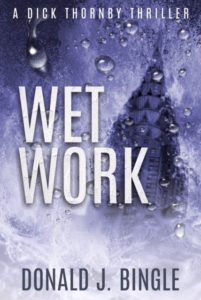
All of those things influenced Wet Work, my most recent Dick Thornby Thriller, along with Net Impact, the first book in the series, just re-released with a spiffy new cover. Some of the influences are reversed—I didn’t want my spy to be a tuxedo-clad Bond rip-off or a loner assassin, like Jason Bourne. Some of the influences are incorporated—I always liked how Michael Westen explained bits of spycraft in the early seasons of Burn Notice, so I used a dynamic where my main character is often teaching spycraft to someone with less experience as they are forced to work the mission together. I also like the message about family from Supernatural, so made my spy a regular guy, with a wife and a kid he loves. Finally, I surf the net from time to time and find all sorts of bizarre and fantastic and sometimes scary things I like to incorporate and occasionally debunk as part of my fiction.
How far afield can influences go? Well, I’ve got an entire exchange in Wet Work inspired by a line from a Meat Loaf song which I always though would be a fitting line for Dean Winchester to say as the boys took on a battle against long odds on Supernatural. I don’t quote the line. I didn’t appropriate the line. I was inspired by it. (We’ll see if Gail can figure it out.)
I am always amused when I see the line “inspired by true events” at the beginning of a movie. Everything, everywhere, is impacted by everything you have ever done, seen, read, or imagined. Everything is inspired by everything else. And that is as it should be.
You can find out more about me on my website at www.donaldjbingle.com or on Facebook, Twitter, or Goodreads at donaldjbingle. You can find an excerpt from Wet Work: http://www.donaldjbingle.com/single-post/2018/06/20/Excerpt-from-Wet-Work. Finally, you can find my spy thrillers here:
Net Impact, Amazon: http://a.co/beSzrUf
Net Impact, Nook, bn.com: https://read.barnesandnoble.com/book/net-impact-6/coverpage-xhtml#1…
Net Impact, Kobo: https://www.kobo.com/us/en/ebook/net-impact-2…
Net Impact: PRINT: http://a.co/9cj2JLa
Net Impact, Audible: https://www.audible.com/pd/Fiction/Net-Impact-Audiobook/B00CRM1DSW?ref=a_search_c3_lProduct_1_1&pf_rd_p=e81b7c27-6880-467a-b5a7-13cef5d729fe&pf_rd_r=N65M54J30VGXDYN3TMDZ&…
Wet Work, Amazon: http://a.co/1qni4lH
Wet Work, Nook: https://www.barnesandnoble.com/w/wet-work-donald-j-bingle/1128291702?ean=2940159029973…
Wet Work, Kobo: https://www.kobo.com/us/en/ebook/wet-work-5…
Wet Work, PRINT: http://a.co/2il1eWS
Giveaway: Win a 25.00 gift certificate! Contest runs 7/23 thru 8/10. Rafflecopter code is below:
http://www.rafflecopter.com/rafl/display/9751c04212/?
Author Bio:
Donald J. Bingle is the author of six books (The Love-Haight Case Files (with Jean Rabe); Wet Work; Net Impact; GREENSWORD; Frame Shop; and Forced Conversion) and about fifty shorter stories in the science fiction, thriller, horror, fantasy, mystery, steampunk, romance, comedy, and memoir genres. He was the world’s top-ranked player of classic role-playing game tournaments for the last fifteen years of the last century. He once received a surprise package in the mail with a lapel pin thanking him for his “contributions to time travel research.” He’ll really have to get around to doing that research some day soon. He is a full member of the Science Fiction & Fantasy Writers of America, Horror Writers Association, International Thriller Writers, International Association of Media Tie-In Writers, and Origins Game Fair Library. More on Don and his writing can be found at www.donaldjbingle.com <http://www.donaldjbingle.com/>.
Filed under Books, Gail Z. Martin, Guest Blogger